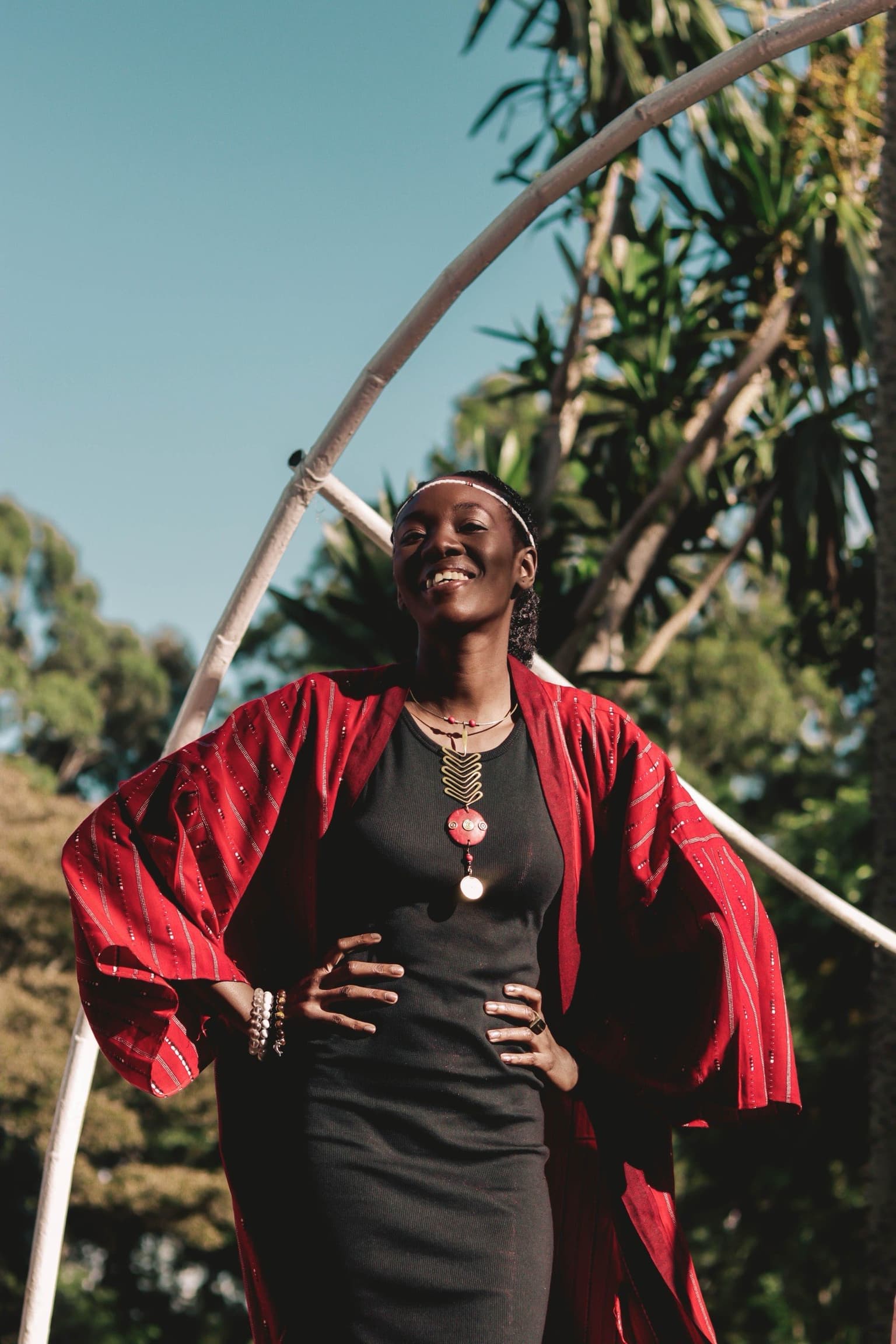
01
Story 01 / 03 · March 2026
Nairobi Studio Dispatch
Behind the seams — a day with our women artisans in Utawala
Photography: Studio Archive | Styling: Liquid Lemn
Heritage textiles · Nairobi
Your bag is empty
Stories & Editorials
Studio dispatches, editorial shoots, and the stories behind the garments.
Story 01 / 03 · March 2026
Behind the seams — a day with our women artisans in Utawala
Photography: Studio Archive | Styling: Liquid Lemn
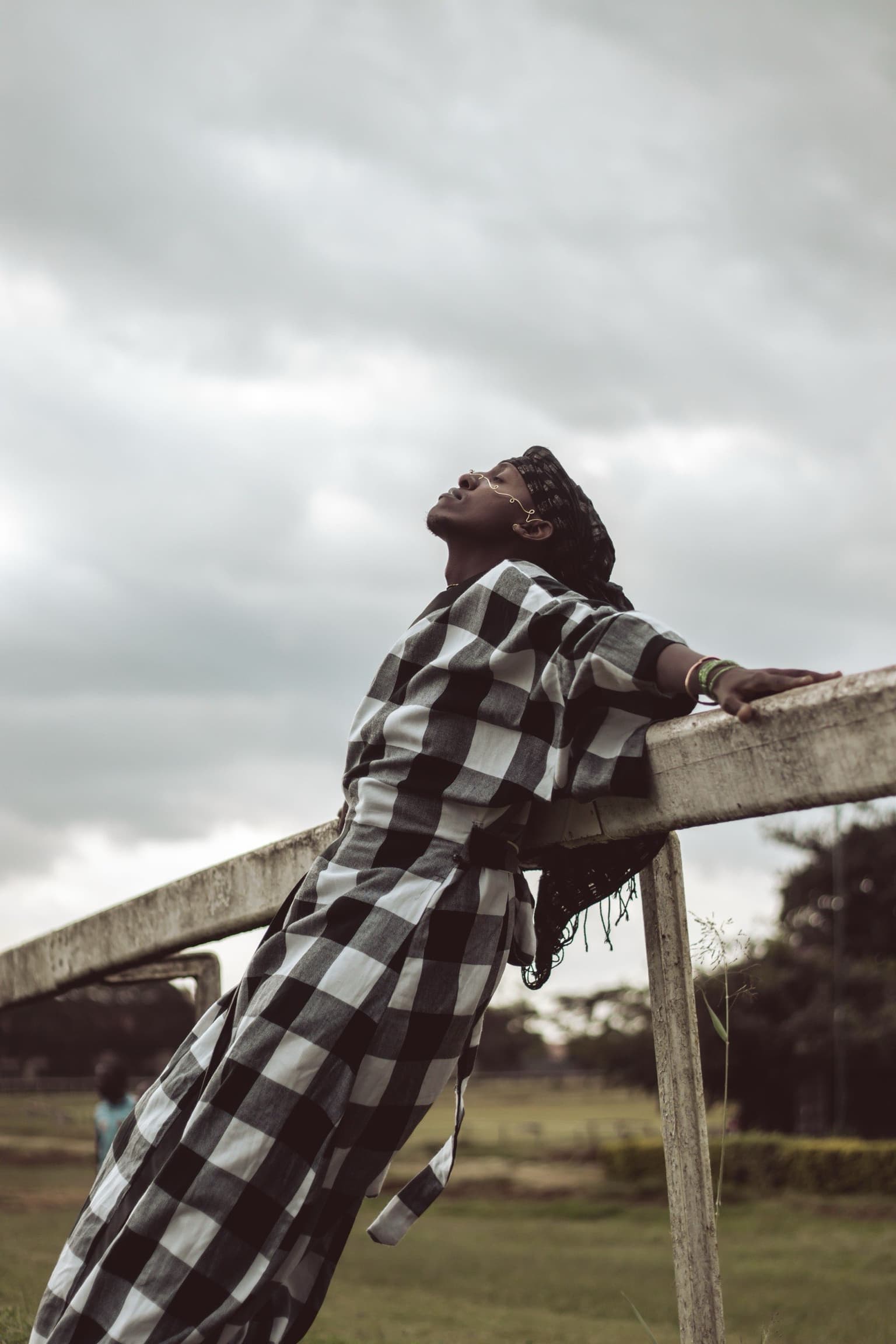
Story 02 / 03 · January 2026
How Kikoy became clothing — origin story of Liquid Lemn
Photography: Studio Archive | Styling: Liquid Lemn
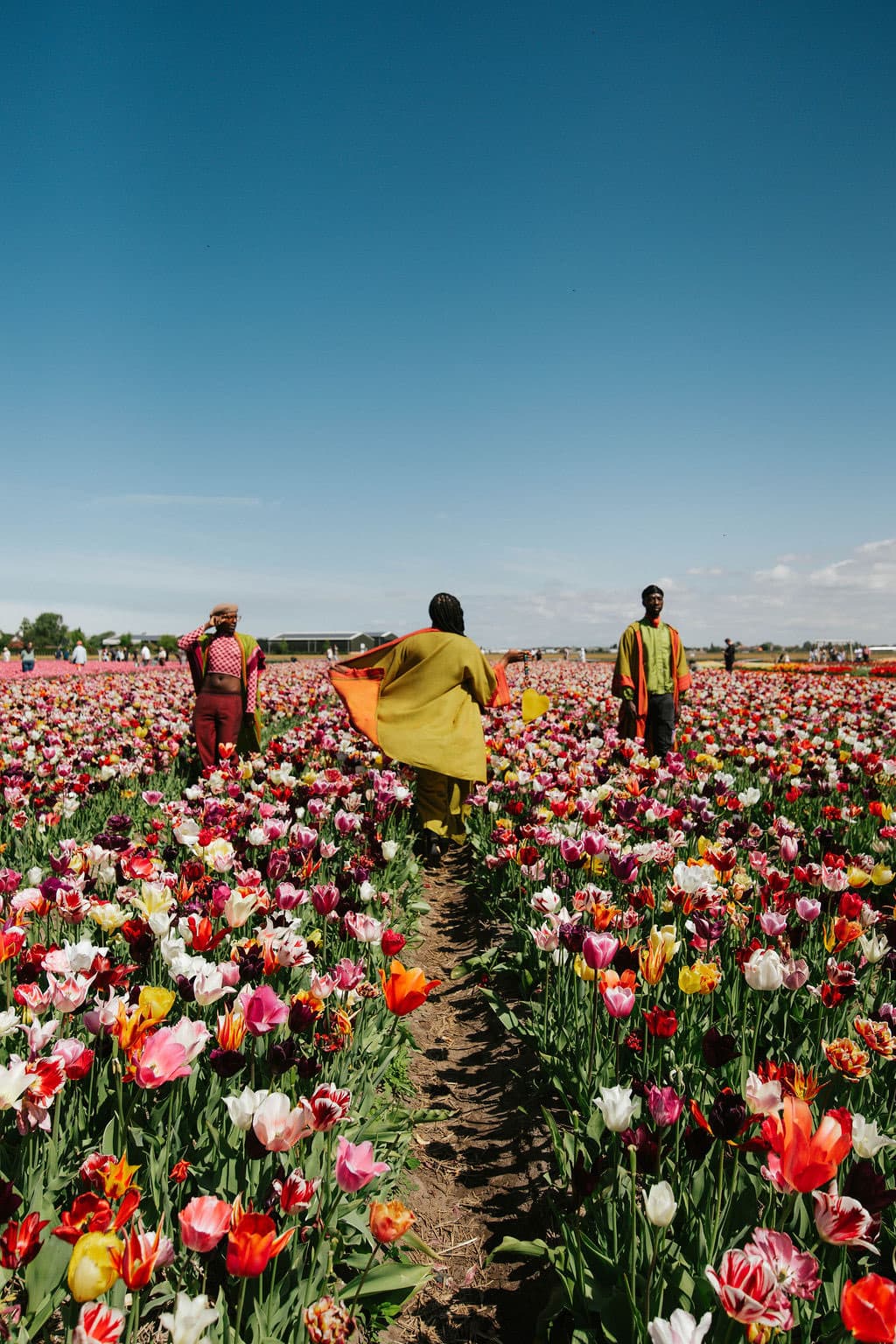
Story 03 / 03 · December 2025
Two cities, one studio — bringing Nairobi to the Jordaan
Photography: Nayama | Styling: Liquid Lemn
Story 01 / 03
Behind the seams — a day with our women artisans in Utawala
Photography: Studio Archive | Styling: Liquid Lemn
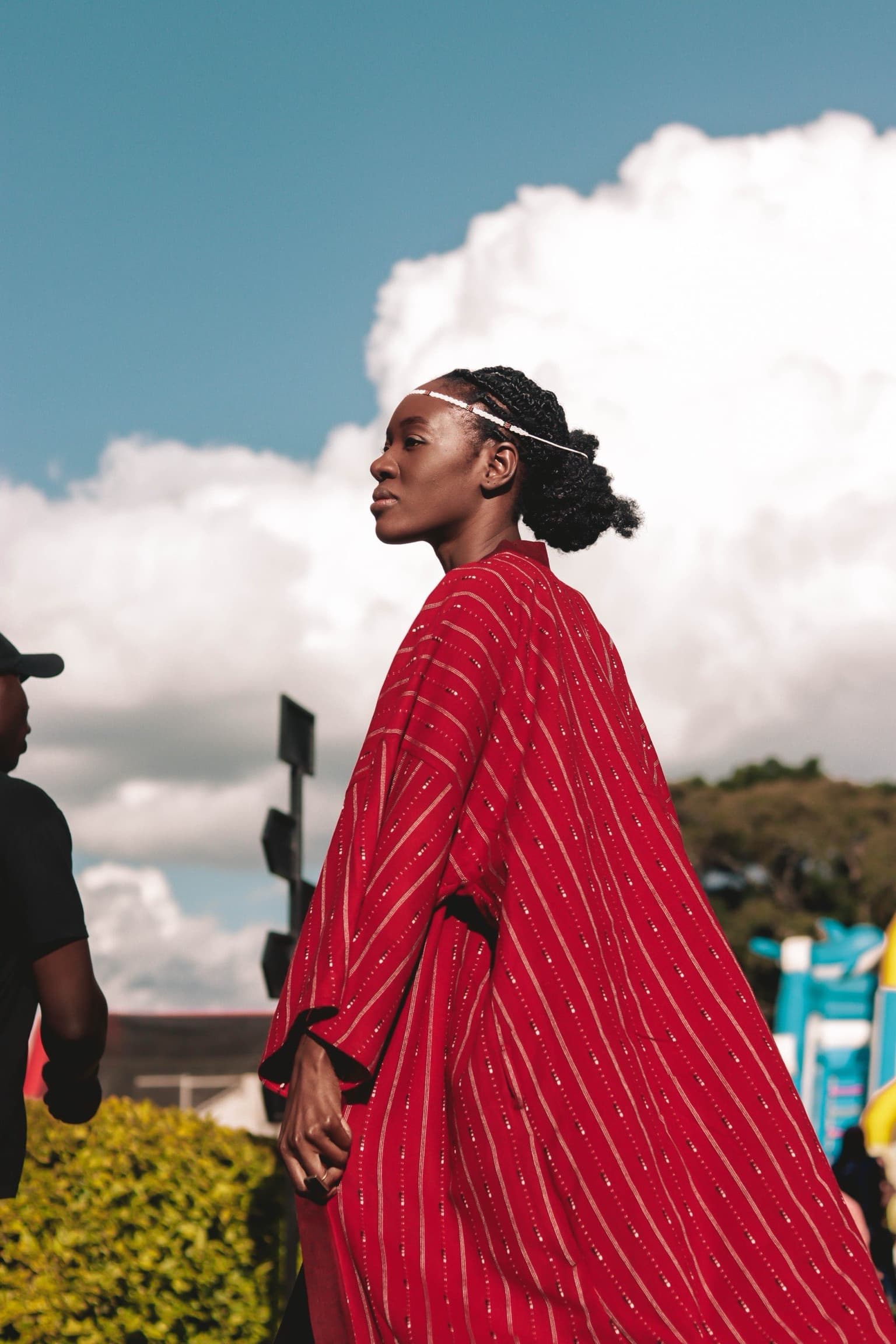
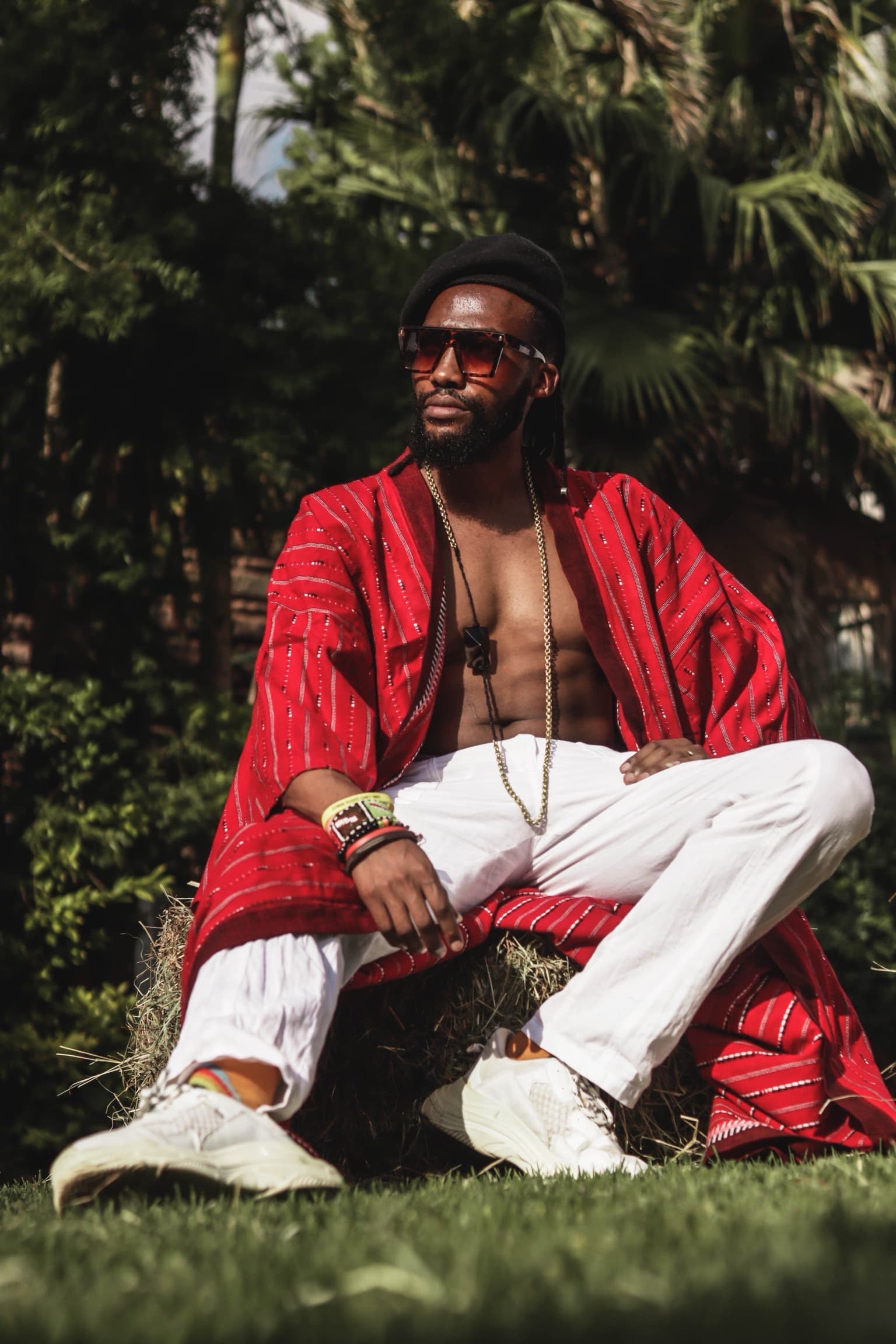
The studio sits on the second floor of a building in Utawala, Nairobi. It's quieter than you'd expect. Women artisans at their machines, bolts of Kikoy stacked against the back wall.
Each piece starts on the cutting table. The fabric is laid flat, inspected for weave tension, then marked with chalk. There's no pattern software — just hands, rulers, and decades of muscle memory.
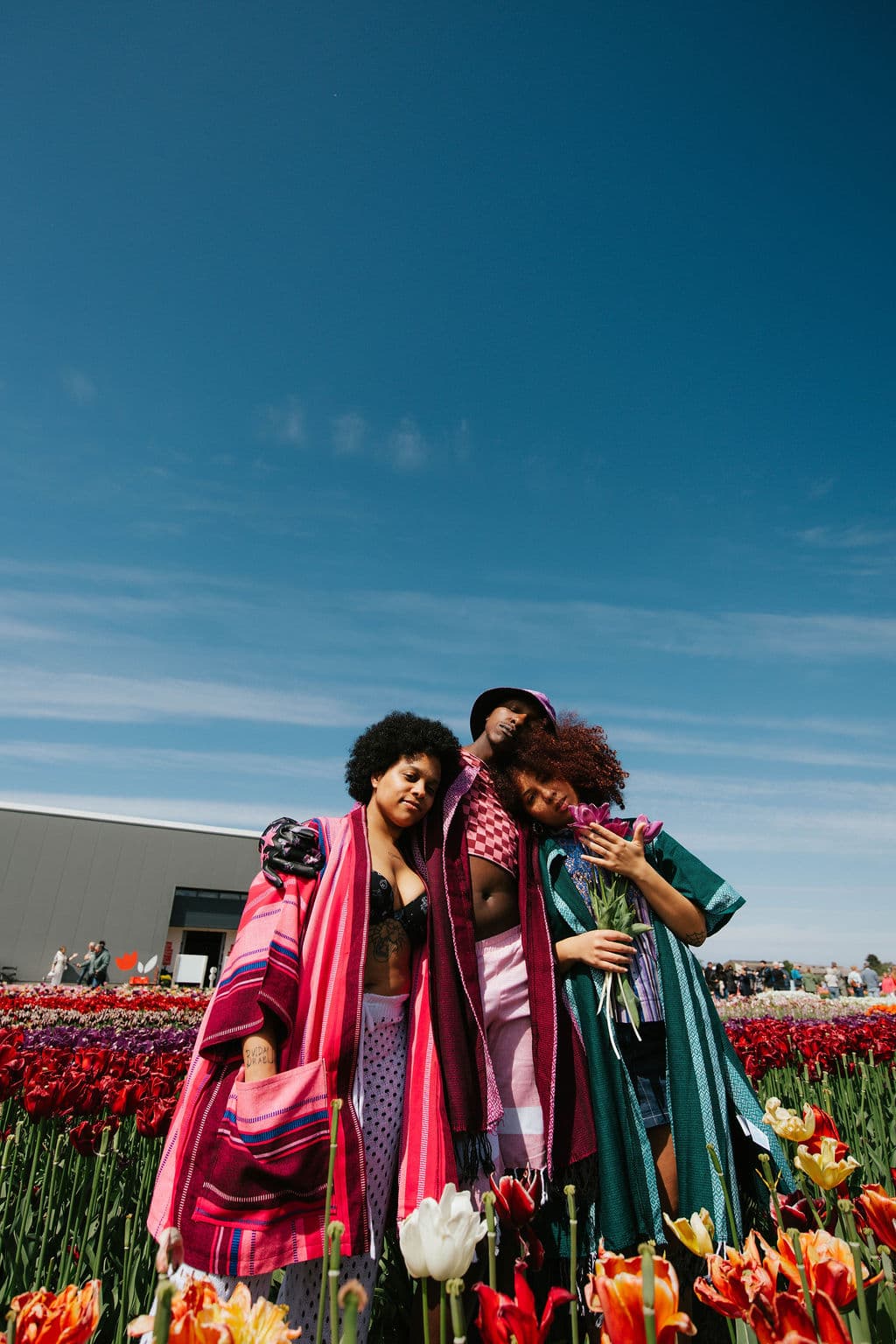
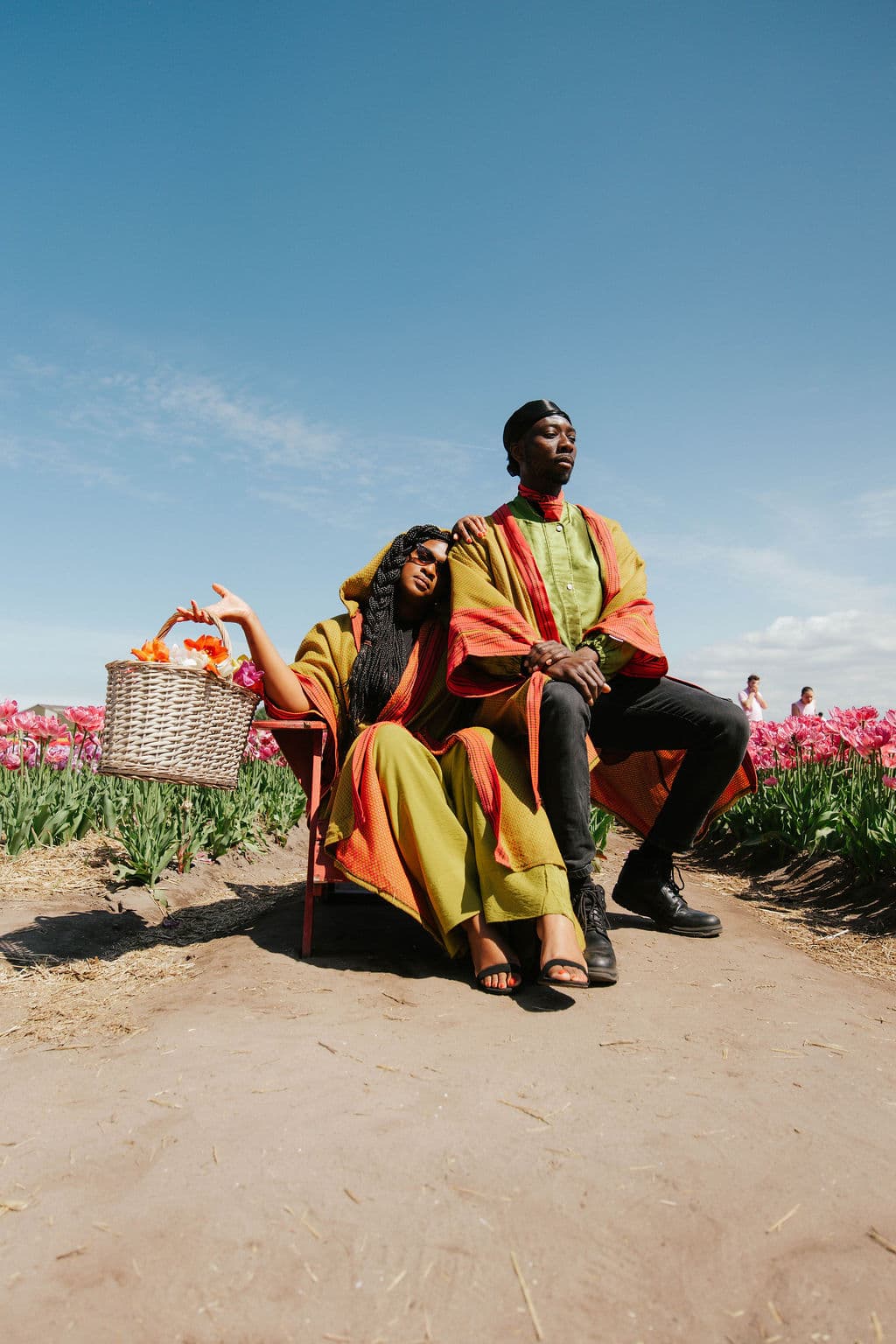
The Kikoy arrives from weavers along the Swahili coast, the Kanga from Dar es Salaam, the Maasai Shuka from the Rift Valley. Each textile carries its own geography — sourced from communities across Kenya, Tanzania, and Uganda.
Production runs are 15–30 pieces. Not because it's a marketing strategy, but because that's how long it takes to make them properly. Every garment is hand-cut, hand-sewn, and hand-finished by women artisans. The timeline from cutting table to shipping label is 3–5 days per piece.

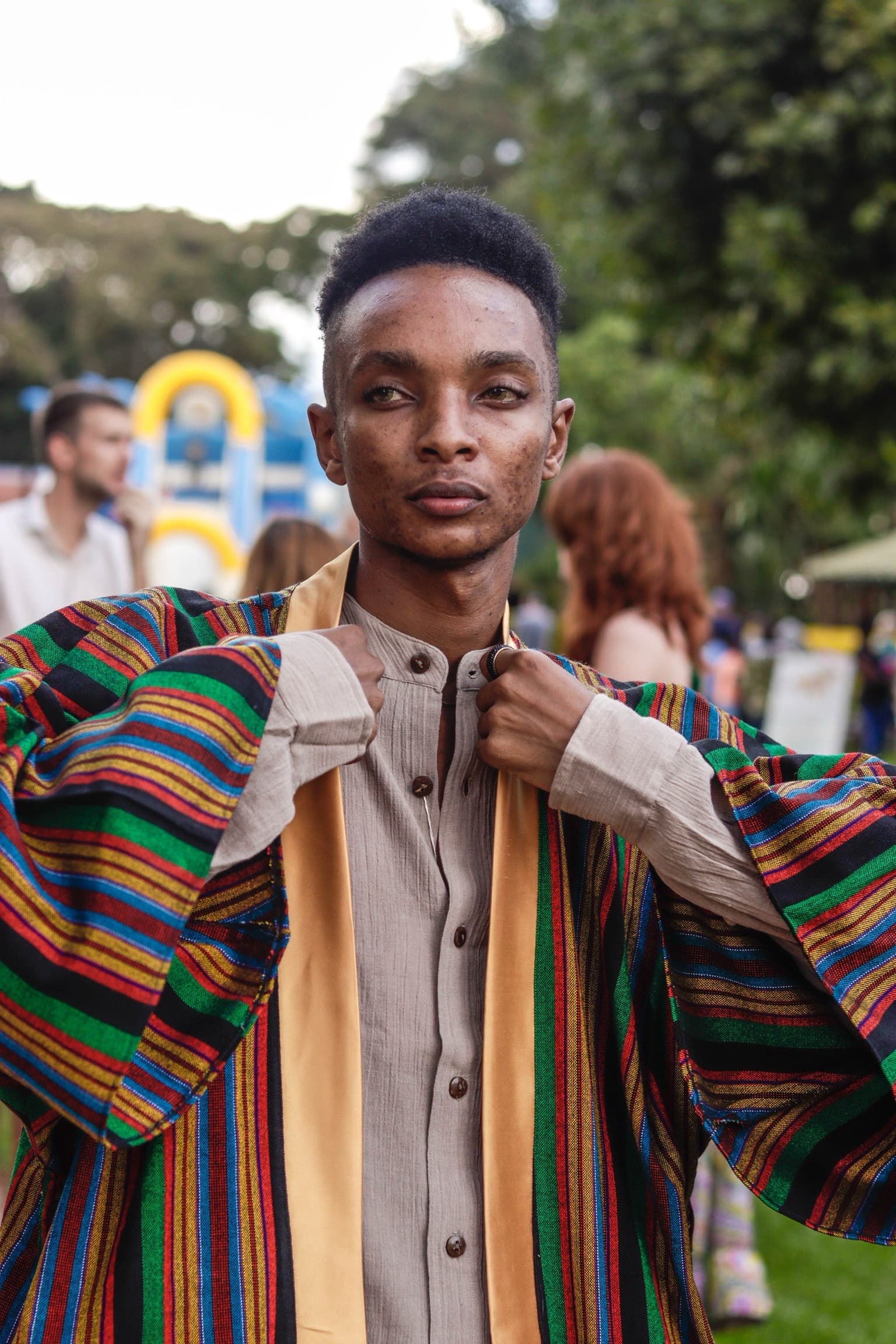

Story 02 / 03
How Kikoy became clothing — origin story of Liquid Lemn
Photography: Studio Archive | Styling: Liquid Lemn
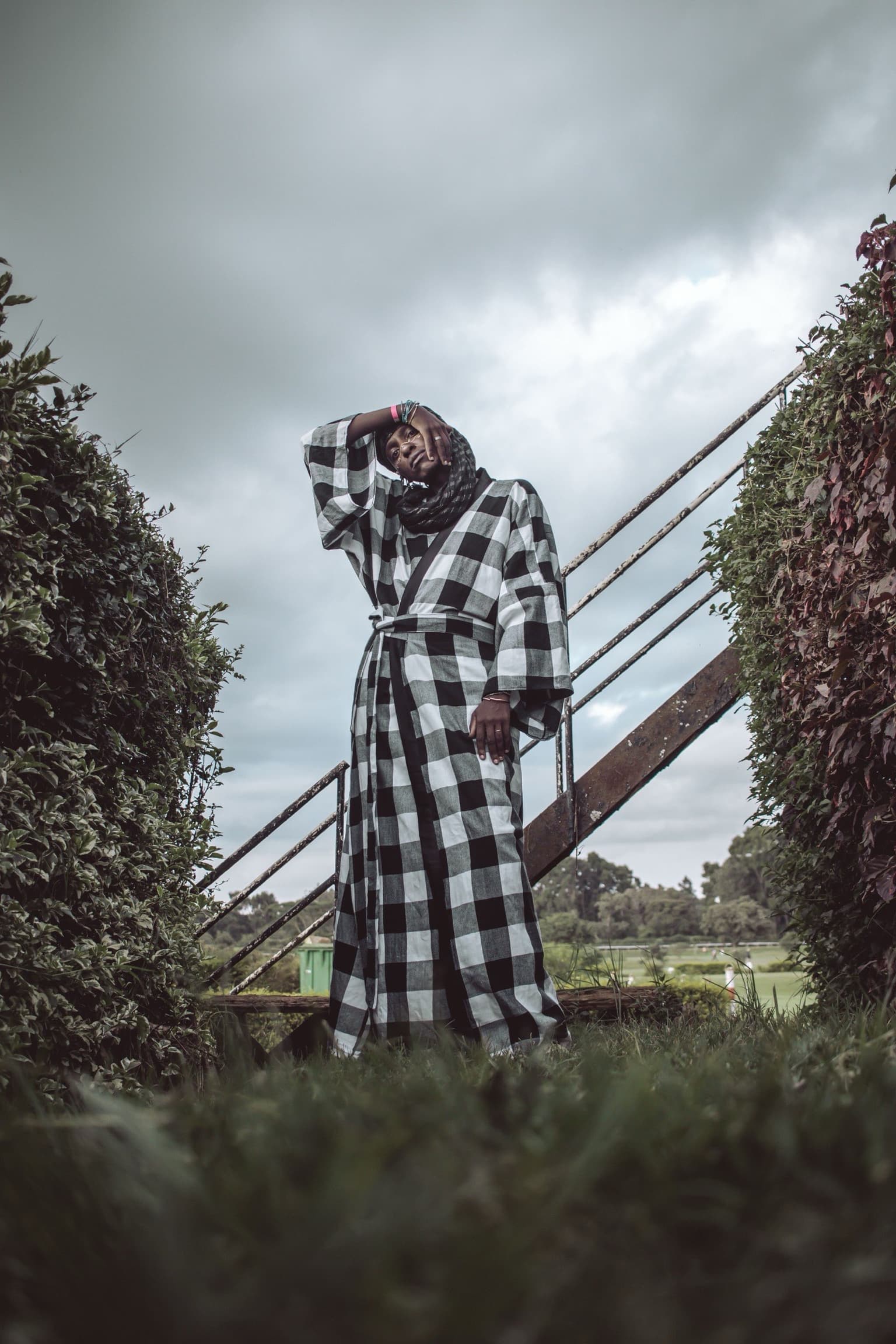
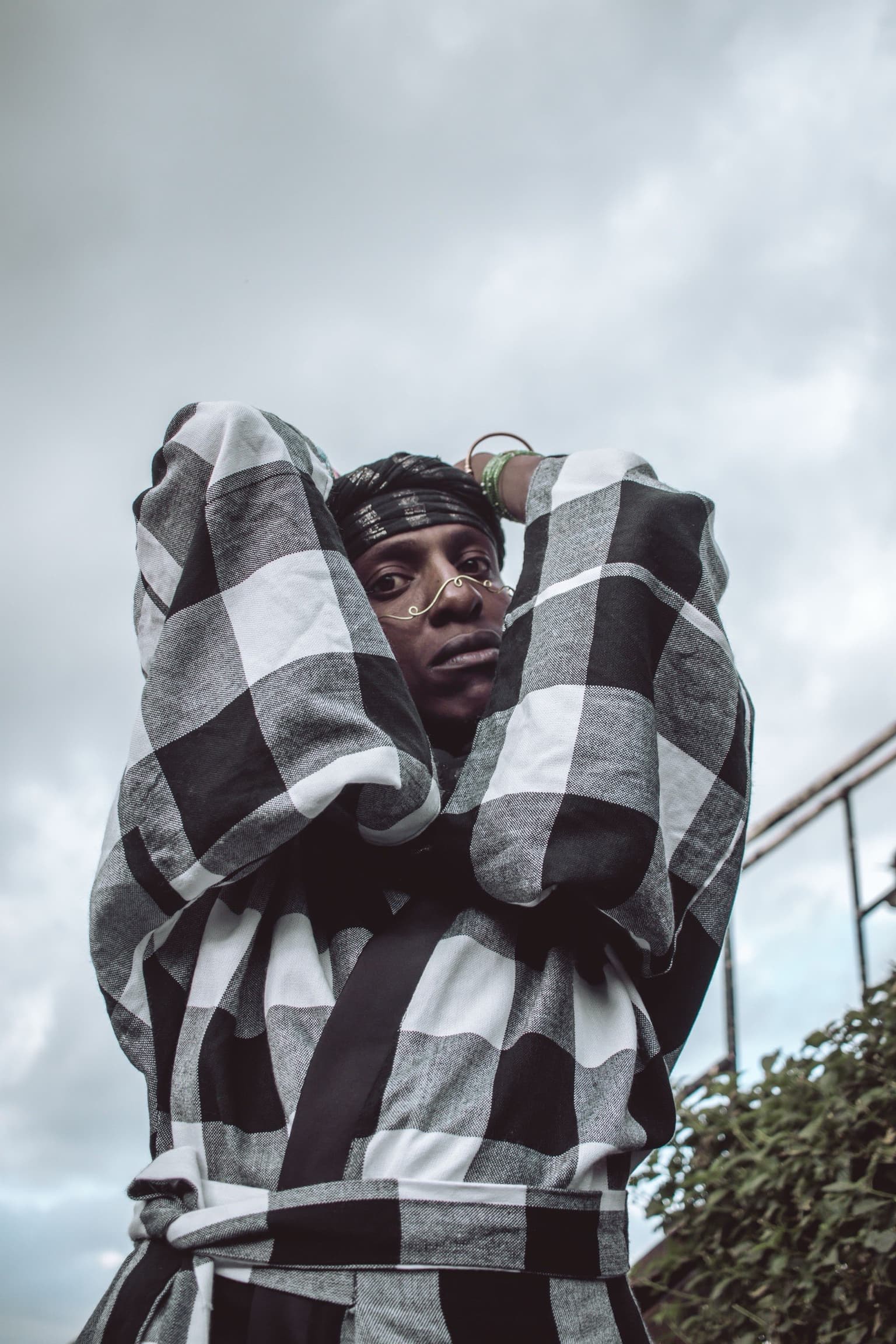
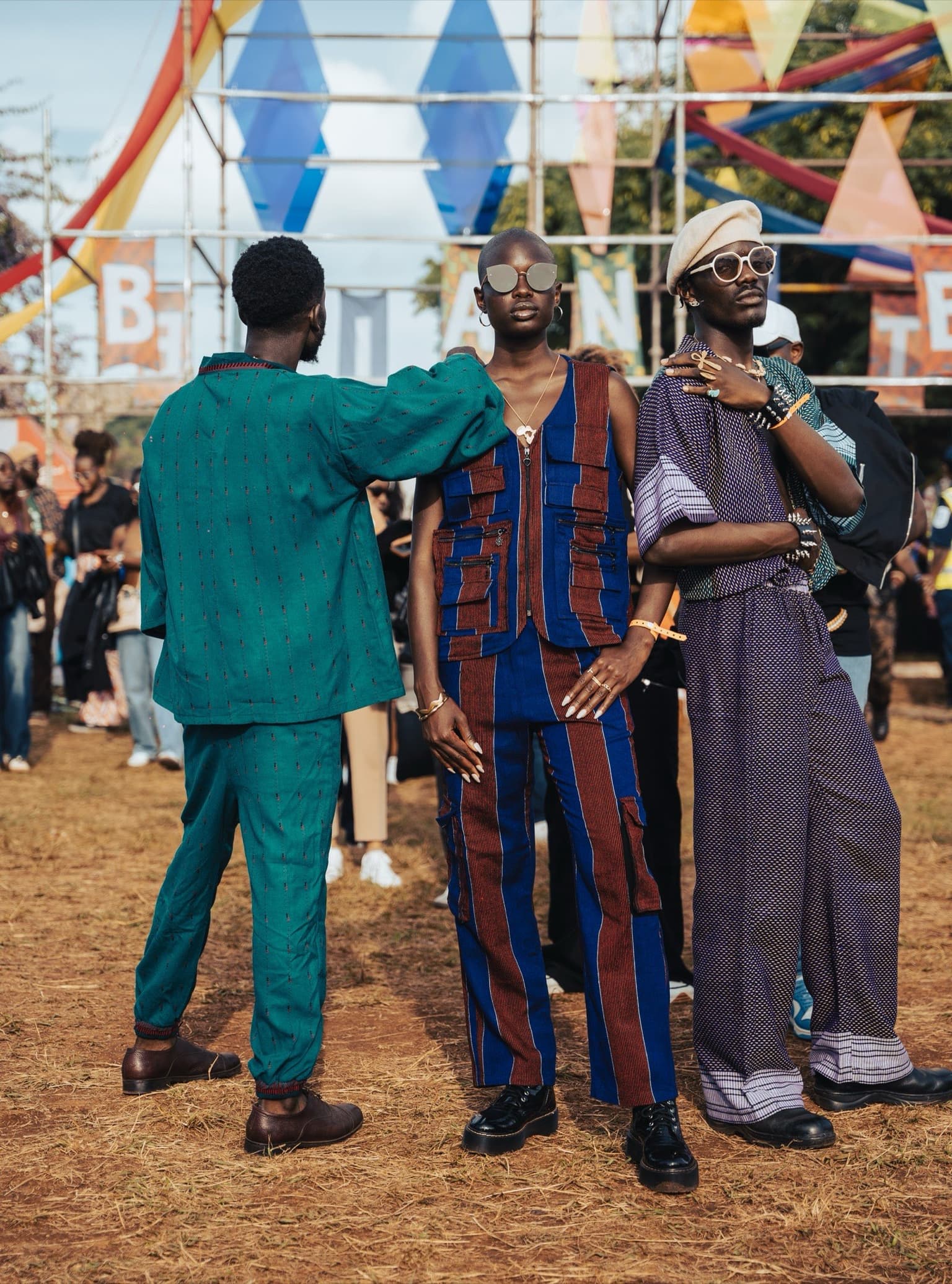
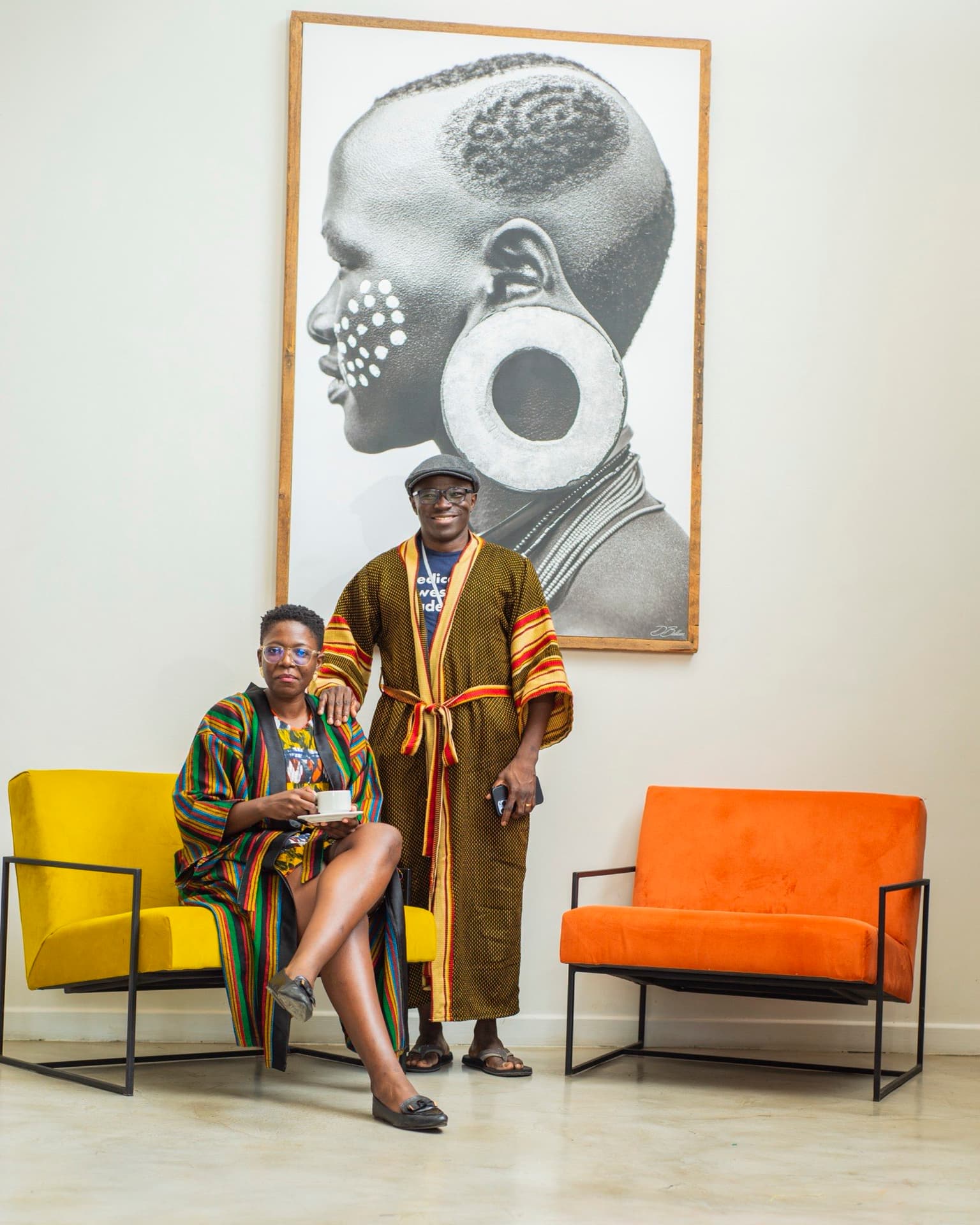
It started with a single piece of Kikoy fabric bought from a market on the Kenyan coast. The idea wasn't to start a fashion house — it was to make something worth wearing.
Kikoy has been part of East African life for generations. It wraps, drapes, covers, carries. It was never meant to be cut into Western silhouettes and sold at a premium. But it also deserves more than being a souvenir.
The first collection — four wraps and a kimono — was sewn in a living room. The response was unexpected. People didn't just want to buy; they wanted to know who made it, where the fabric came from, what it meant.
That question — what does it mean to wear something with a story — became the founding principle.

Story 03 / 03
Two cities, one studio — bringing Nairobi to the Jordaan
Photography: Nayama | Styling: Liquid Lemn

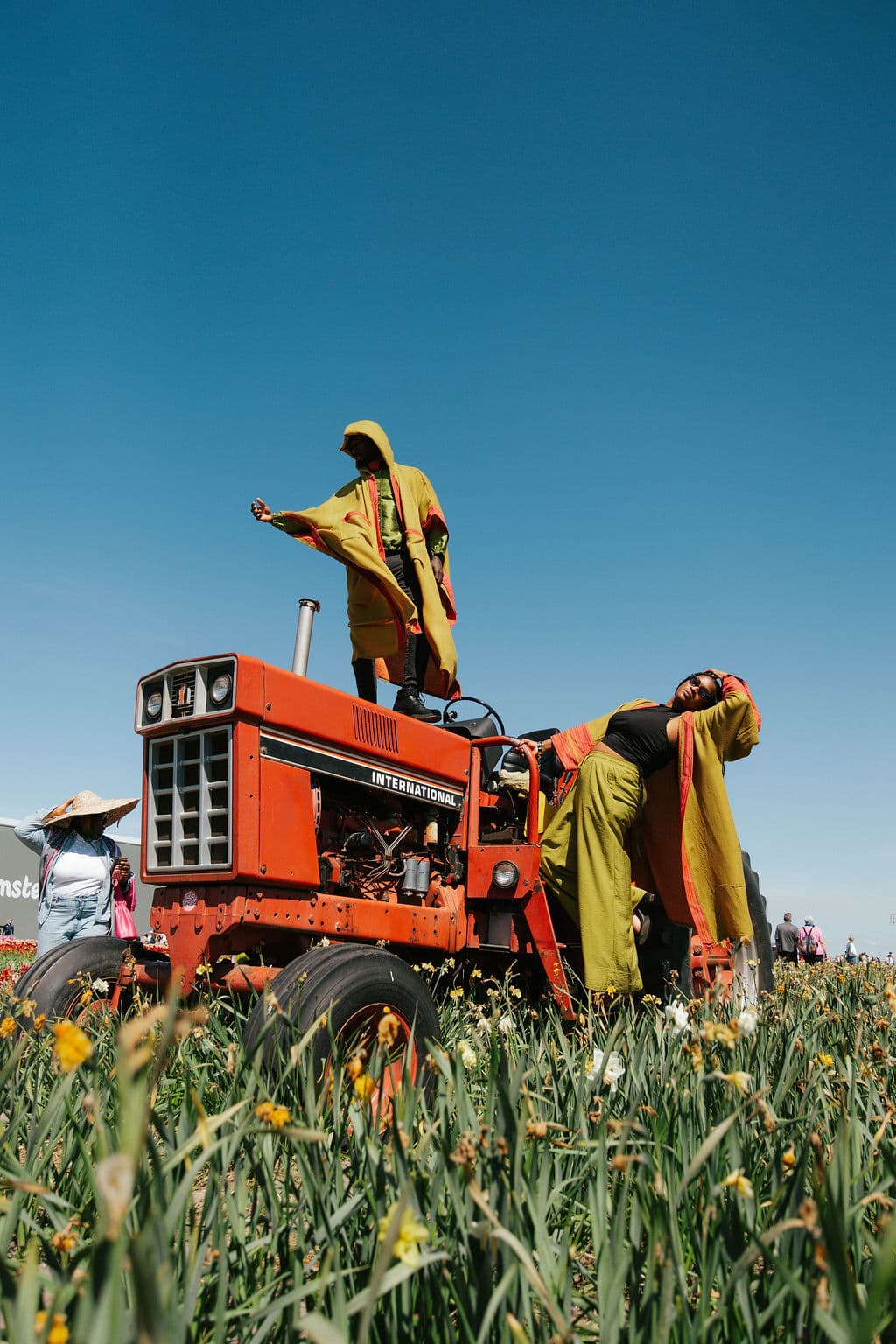
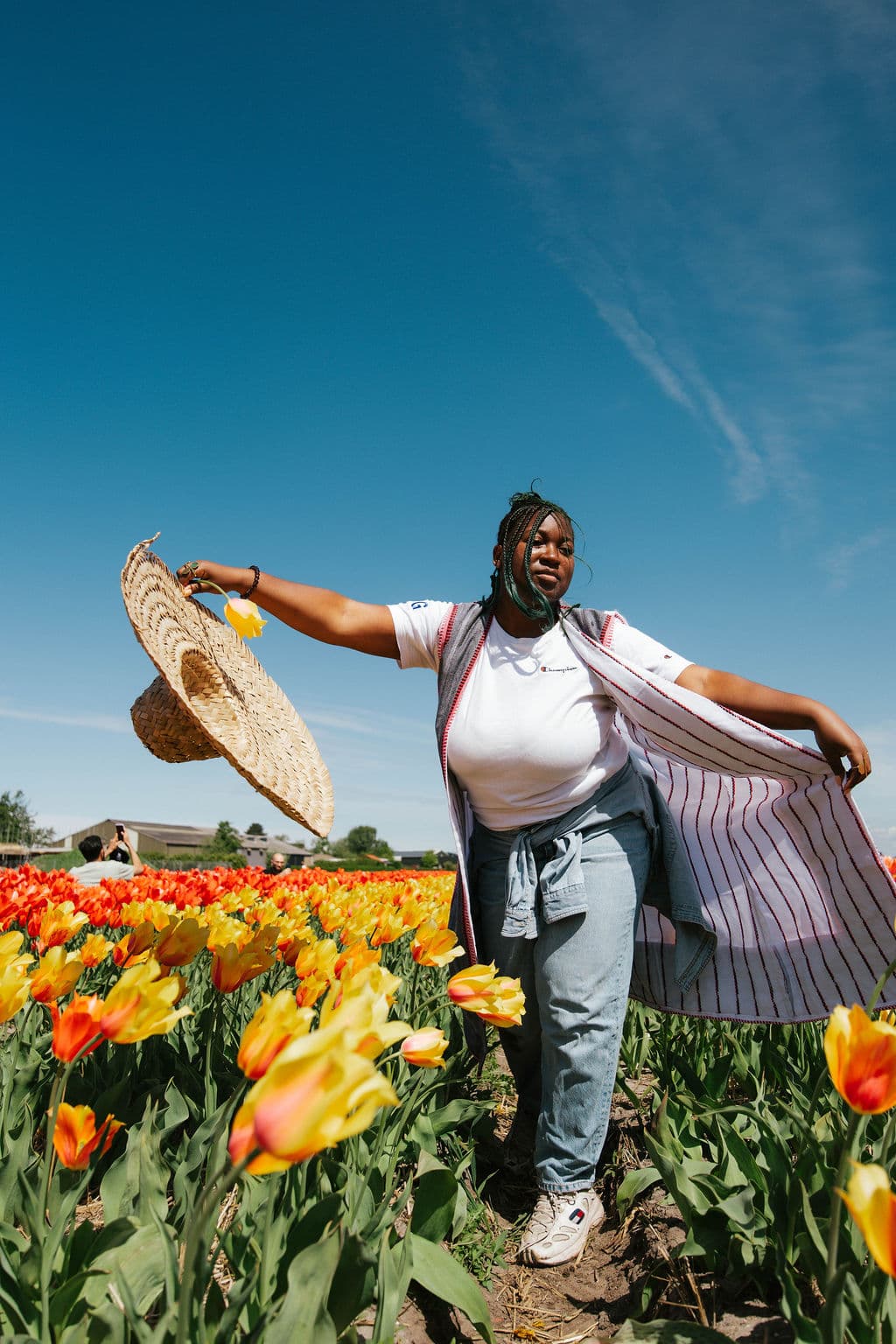
In December, we brought the studio to Amsterdam. A small space in the Jordaan, stripped back to white walls and concrete. Racks of Kikoy, Kanga, and Maasai Shuka. Chai on the counter.
The pop-up ran for three days. People came to touch the fabrics, try things on, ask questions. Many had never seen Kikoy before. Some recognised it immediately — "my grandmother had this."
What we learned: the clothes speak for themselves when you let people get close. No lookbook replaces the feeling of hand-woven cotton against skin.
We'll be back in Amsterdam. Follow @liquidlemn for dates.
More stories coming soon
Follow @liquidlemn for behind-the-scenes and new editorial drops.
SHOP THE COLLECTION →